Health and Medical Sciences
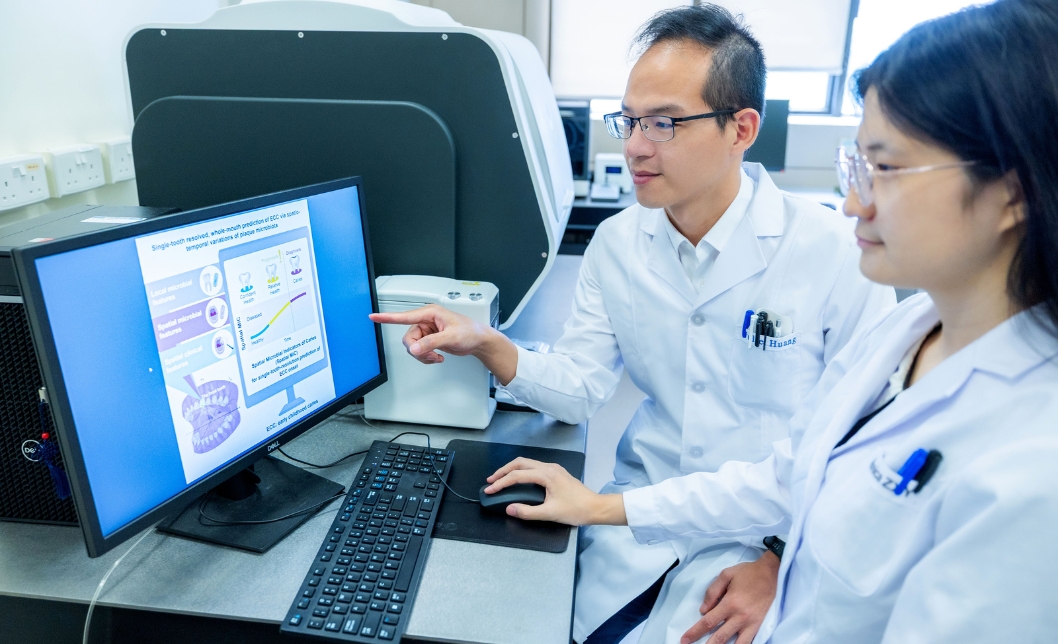
Early childhood caries (ECC)—the world’s most prevalent chronic childhood disease—disproportionately targets specific teeth, a mystery that has remained unresolved until now. A collaborative research team from the Faculty of Dentistry of the University of Hong Kong (HKU), Chinese Academy of Sciences (CAS-QIBEBT), Qingdao Stomatological Hospital, and Qingdao Women and Children’s Hospital has made a groundbreaking discovery that could revolutionise the prevention of childhood tooth decay. The team has developed the world’s first artificial intelligence (AI) system capable of predicting early childhood caries risk for individual teeth based on microbial characteristics, achieving an accuracy rate of over 90%. This pioneering study was published in Cell Host & Microbe^.
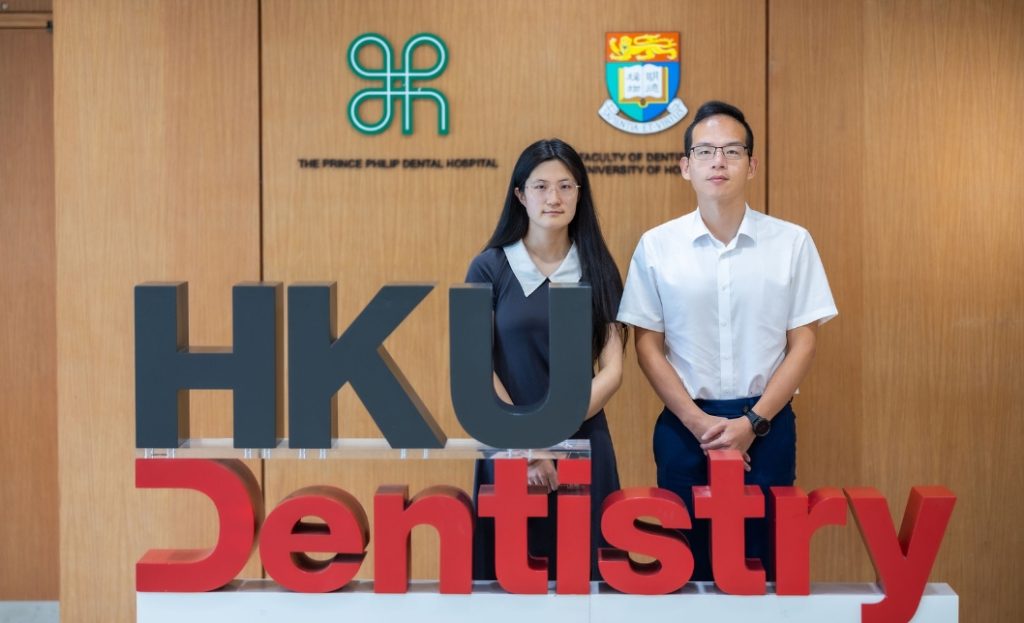
The research was led by Professor Shi Huang, Assistant Professor in Microbiology from the Division of Applied Oral Sciences and Community Dental Care at the HKU Faculty of Dentistry. The team also includes Yufeng Zhang, a PhD student from the same faculty, Professor Jian Xu from CAS-QIBEBT, Dr Fei Teng from Qingdao Stomatological Hospital, and Dr Fang Yang from Qingdao Women and Children’s Hospital.
The research team conducted the most comprehensive analysis to date of tooth-specific microbial communities in young children aged 3-5 years, using an innovative approach that combined cutting-edge 16S rRNA sequencing with shotgun metagenomics for microbial compositional and functional analysis. By tracking 2,504 individual tooth plaque samples from 89 preschoolers over nearly a year, they uncovered distinct patterns that foretell dental decay.
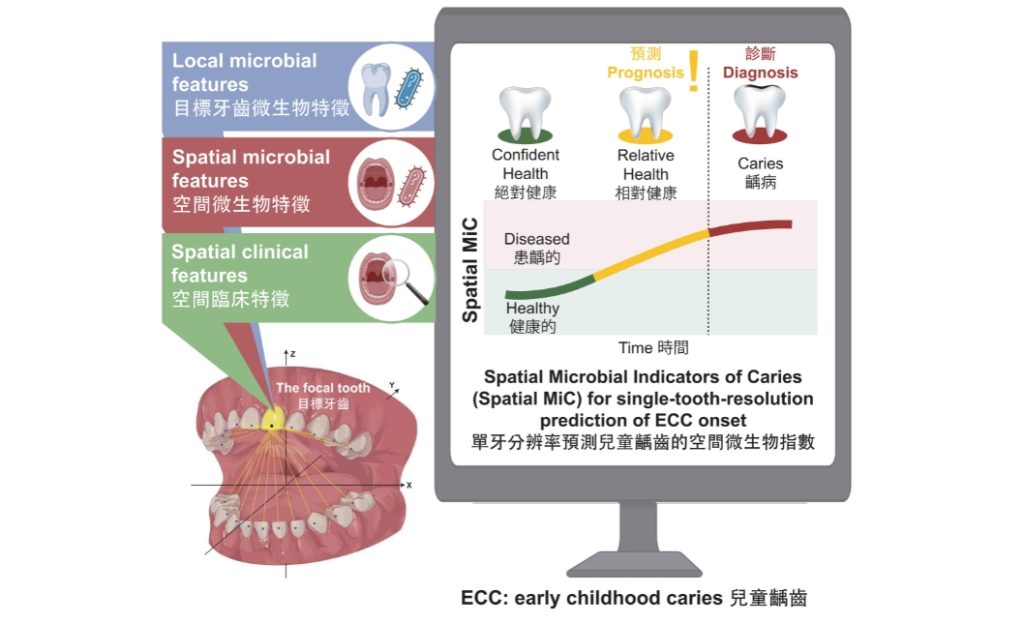
At the heart of the discovery is a remarkable anterior-to-posterior microbial gradient in healthy mouths. The study found that front teeth (incisors) naturally harbour different bacterial communities than back teeth (molars), creating a predictable spatial pattern across the mouth. This gradient, maintained by factors like saliva flow and tooth anatomy, becomes disrupted when cavities begin to form. The researchers identified specific bacterial shifts that occur well before visible decay, including the migration of incisor-associated microbes to molar sites and vice versa.
The team’s most significant achievement was developing Spatial-MiC, the world’s first AI system that predicts cavity risks in individual teeth based on complex microbial communities. The system analyses these microbial patterns to assess cavity risk. By combining data from a tooth’s microbial community with information from its neighbours, Spatial-MiC achieved 98% accuracy in detecting existing cavities and 93% accuracy in predicting cavities two months before they became clinically apparent. This represents a major improvement over current whole-mouth assessment methods, which often miss early warning signs.
The implications for children’s dental health are profound. ECC affects over 70% of 5-year-olds in Chinese Mainland and remains the most common chronic childhood disease worldwide. Current prevention strategies typically treat all teeth equally, despite clear differences in susceptibility. This research paves the way for precision dentistry approaches that could provide targeted preventive care to high-risk teeth before damage occurs.
“These findings fundamentally change how we understand tooth decay,” Professor Huang explained. “We’ve moved from seeing cavities as inevitable to being able to predict and prevent them at the microbial level, tooth by tooth.”
The team envisions a future where the system could be expanded to validate the approach in diverse populations. The ultimate goal is to develop clinical tests that bring the technology into dental offices worldwide. As Dr Yang, the first author noted, “This isn’t just about better dental care. It’s about giving children healthier starts in life by preventing pain, infections, and the developmental impacts of severe tooth decay in a more precise manner.”
^Link to the Cell Host & Microbe research: https://doi.org/10.1016/j.chom.2025.05.006
Other Research & Achievements Stories
Achievements and Milestones
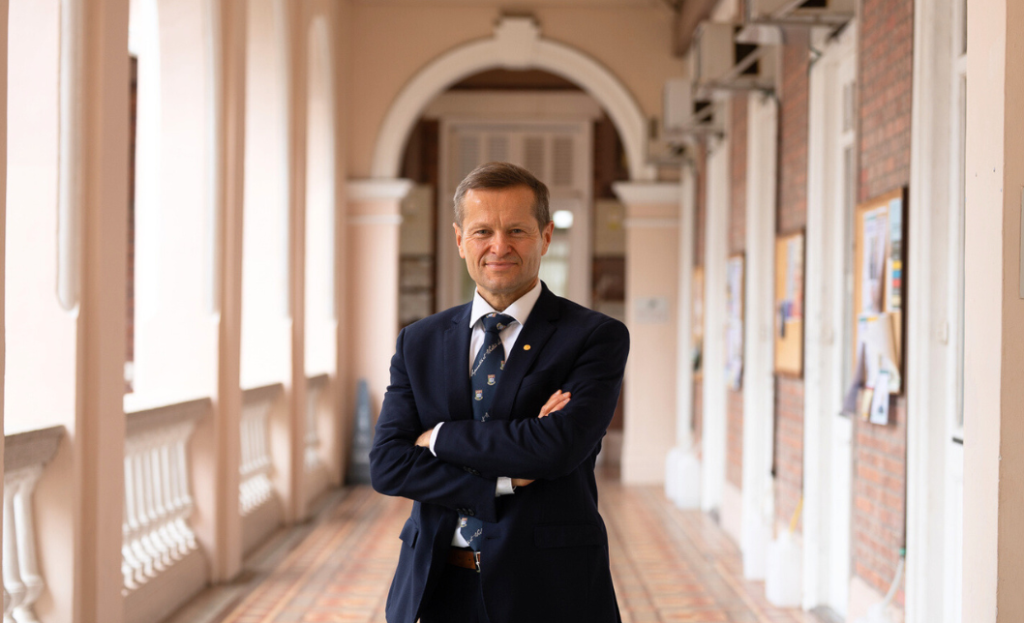
Professor Ferenc Krausz, Nobel Laureate in Physics, joined HKU in November 2025 as Professor, Chair of Laser Physics in the Department of Physics under the Faculty of Science. As a world-renowned authority in ultrafast laser science and quantum optics, Professor Krausz’s appointment will strengthen HKU’s capabilities in cutting-edge research and advance innovations in medical diagnostics worldwide. His joining aligns with HKU’s vision of pursuing academic excellence and advancing knowledge, and it is anticipated that he will make significant contributions to scientific development, benefitting both Hong Kong and the global community. In an exclusive interview, Professor Krausz shared his inspiring journey and insights into the future of scientific discovery.
Natural Science
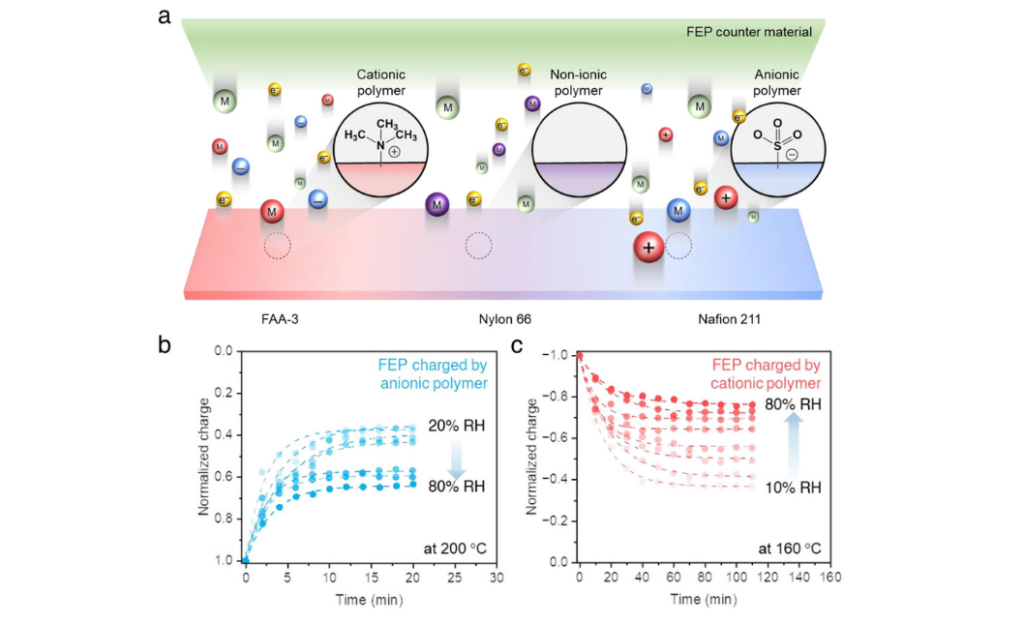
An engineering team at HKU has pioneered the discovery of a new mechanism of ion-driven charge transfer, which provides a deeper understanding of contact electrification phenomena and reveals that electrons and ions transfer simultaneously under changing humidity conditions. This insight will aid in developing new strategies to create materials that work reliably even in humid environments. The findings not only advance fundamental scientific understanding but also open up new possibilities for eco-friendly technologies such as printing, coating, environmental monitoring, and energy harvesting.
Health and Medical Sciences
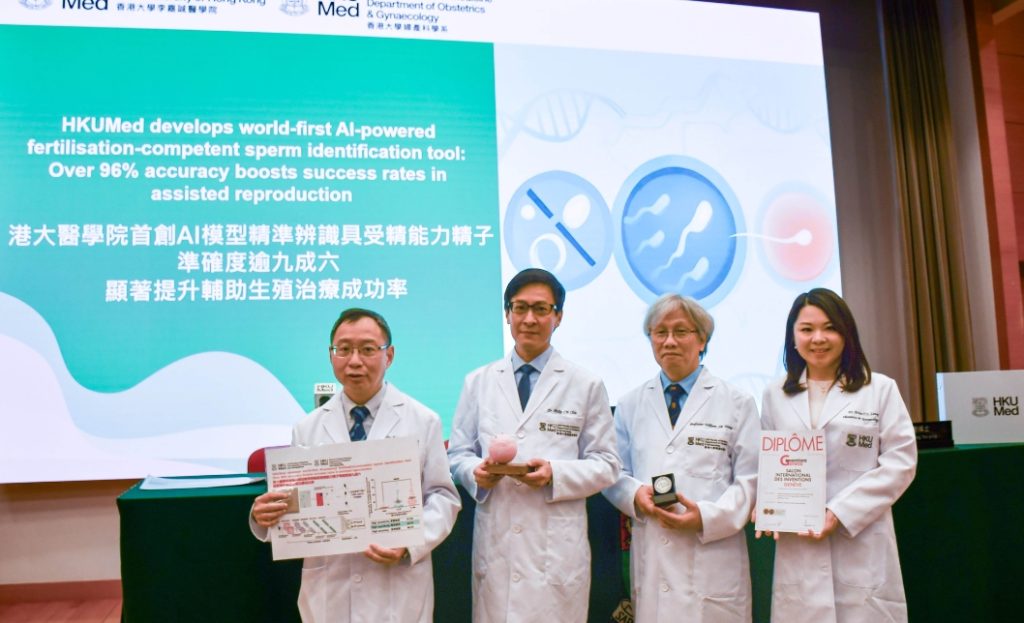
A research team from HKUMed has pioneered a model using artificial intelligence (AI) to identify sperm with fertilisation potential, achieving a clinical validation accuracy rate exceeding 96%. This AI model automatically selects high-quality sperm based on the morphological features of sperm binding to the egg's zona pellucida (ZP), outperforming traditional methods in terms of speed and reliability, reducing human error, and significantly enhancing the precision of male fertility assessment — ultimately increasing the success rates of assisted reproductive procedures.
Environment and Sustainability
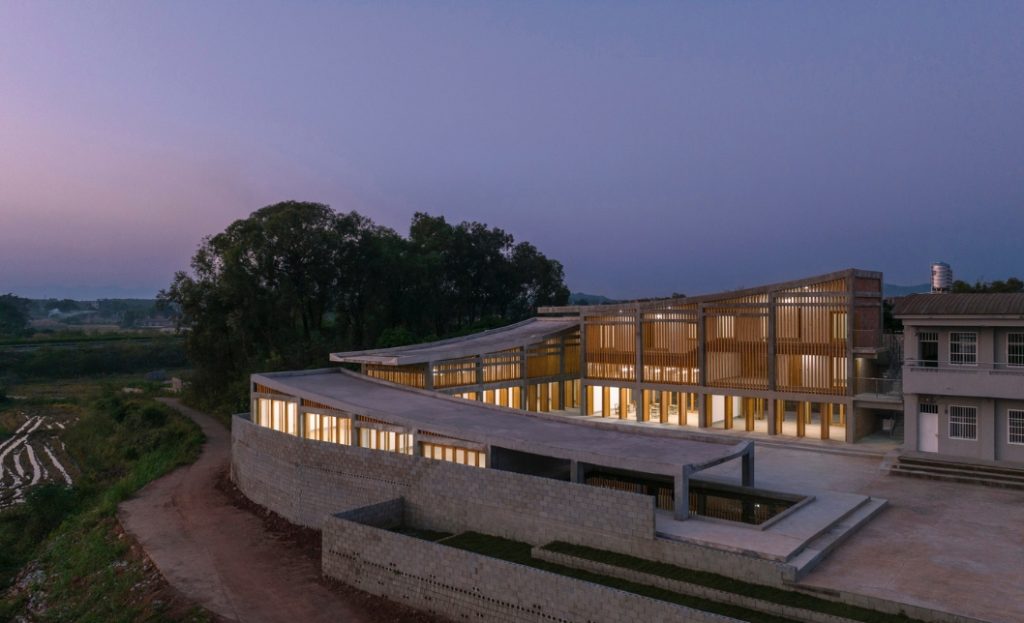
A Hakka village in Guangxi gets abundant rainfall but also struggles with a critical shortage of fresh water and hygiene problems. HKU’s Project Mingde addressed these challenges with the award-winning Duling Educational and Cultural Centre, which harnesses rainfall through innovative water harvesting systems, including tiered roofs, a lotus pond, and underground recycling. The initiative exemplifies interdisciplinary collaboration, cultural sensitivity, and a commitment to social impact, earning international recognition such as the Architizer A+ Jury Award and the Architecture MasterPrize. Overall, it showcases how thoughtful architecture and engineering can turn environmental challenges into sustainable opportunities, fostering resilience and cultural preservation.


