Environment and Sustainability
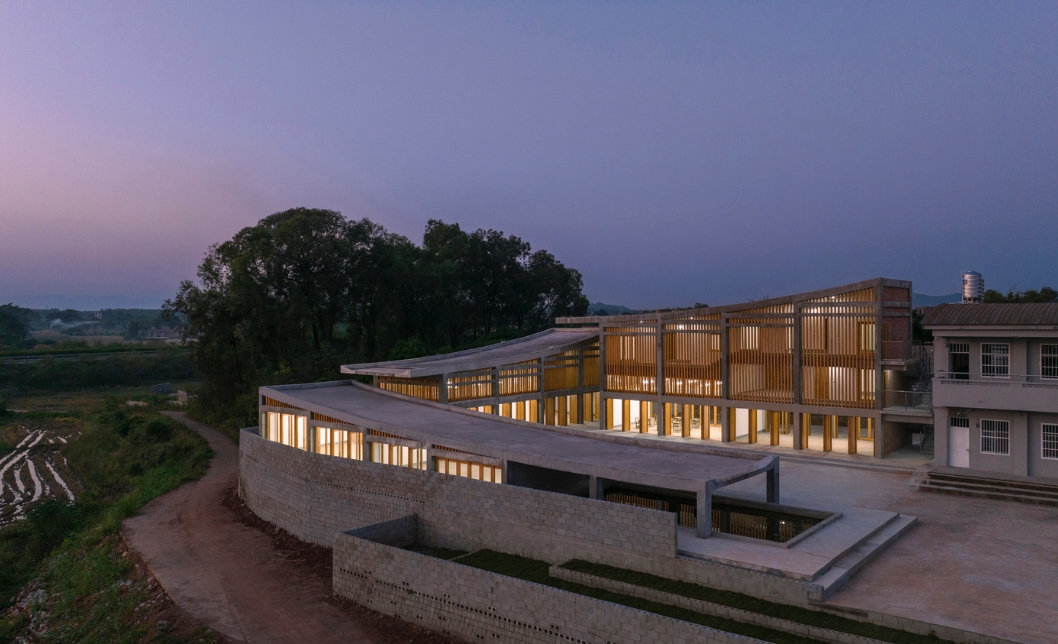
In the heart of Guangxi, China, the Hakka village of Duling stands as a testament to cultural heritage and sustainable living. Home to around 3,000 residents, this quaint village faces the paradox of receiving abundant rainfall while also struggling with a critical shortage of fresh water and hygiene problems. Addressing these challenges, the University of Hong Kong’s (HKU) Project Mingde has embarked on a transformative journey, culminating in the award-winning Duling Educational and Cultural Centre to improve the living conditions of rural villagers.
Project Mingde was launched in 2003 and continues to receive global accolades, most recently for being named the Architizer A+ Jury Winner in the ‘Concepts – Architecture + Community’ category and shortlisted as a finalist in the ‘Concepts – Architecture + Localism’, ‘Concepts – Architecture + For Good’ and ‘Built – Sustainable Cultural Building’ categories, followed by its earlier success in The Architecture MasterPrize under the category of ‘Educational Buildings’.
Established by HKU’s Faculty of Engineering, Project Mingde brings together teachers and students to volunteer and construct schools, dormitories, toilets, and bridges in impoverished villages in Chinese Mainland, with an aim of improve the living standards of local residents and providing educational opportunities for children. The initiative also serves as a platform for university students to apply their skills and knowledge in a meaningful way while gaining valuable learning experience in return.
The Architizer A+ Awards is the largest awards programme dedicated to recognising and celebrating outstanding architecture and spaces worldwide. Professor David Srolovitz, HKU’s Dean of Engineering, said, “The winning project exemplifies the core values of the Faculty of Engineering – interdisciplinary collaboration, practical application, and creating a positive impact on society. The two international awards recognise not only architectural aesthetics but also the engineering innovations that make such architecture possible and effective.”
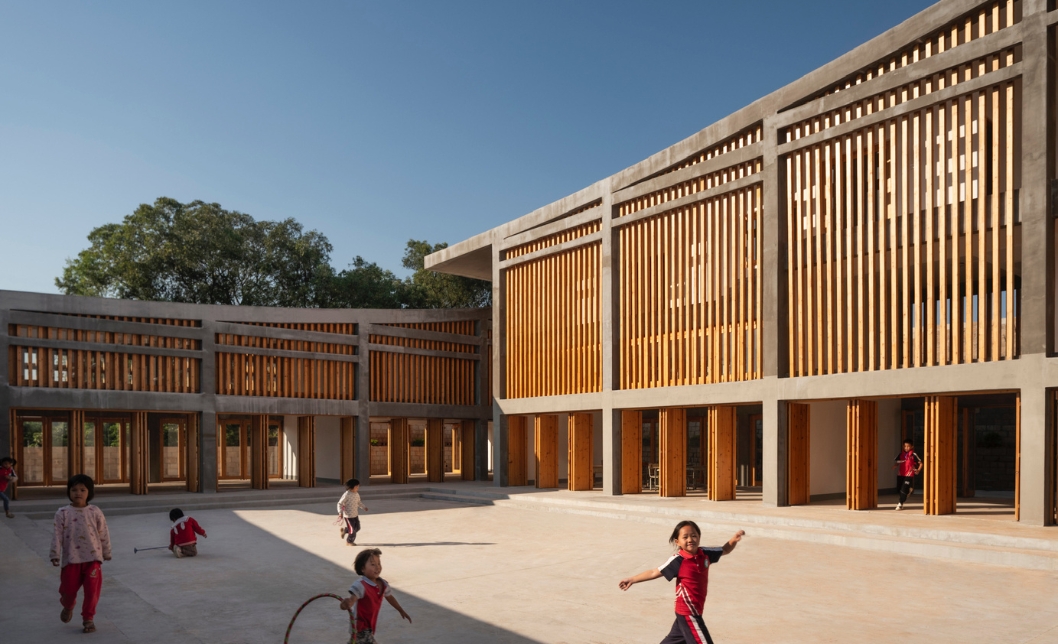
The Duling Education and Cultural Centre, a collaborative project designed by Ms Elisabeth Lee, was brought to life through the enthusiastic and dedicated participation of HKU faculty, students, alumni, local government, and community members as well as the dedicated support of the Lee Hysan Foundation. The initiative began with a clear mission: to address the pressing needs of the Duling community while honouring the rich traditions of Hakka culture. “Our design principle is grounded in sustainability and reverence for tradition,” said Ms Lee, architect of the project. “We aimed to transform a village beset by challenges into a safe space where children can learn and adults can connect.”
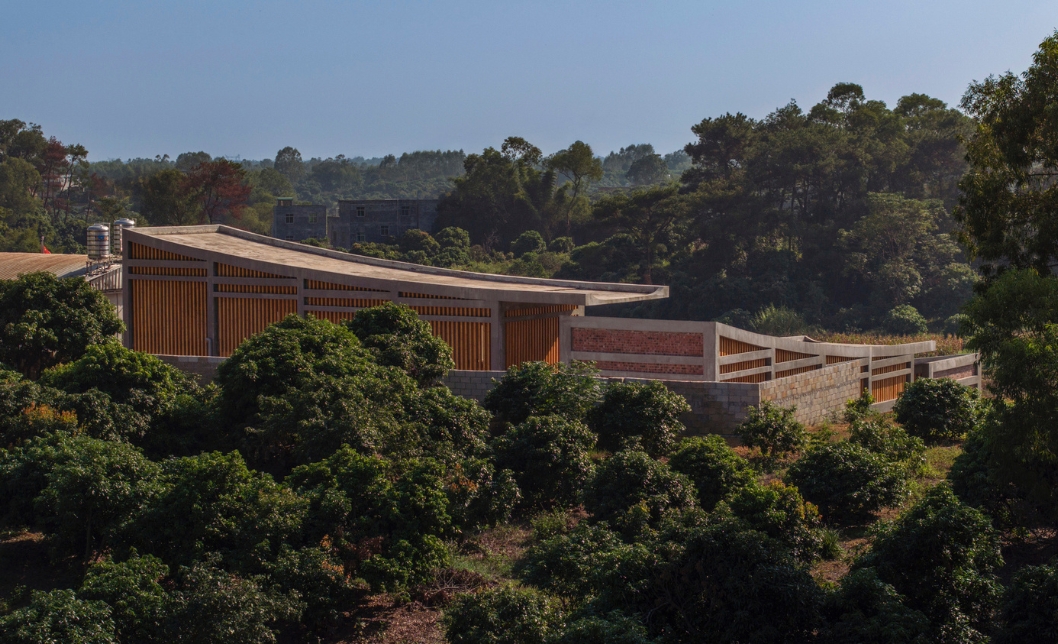
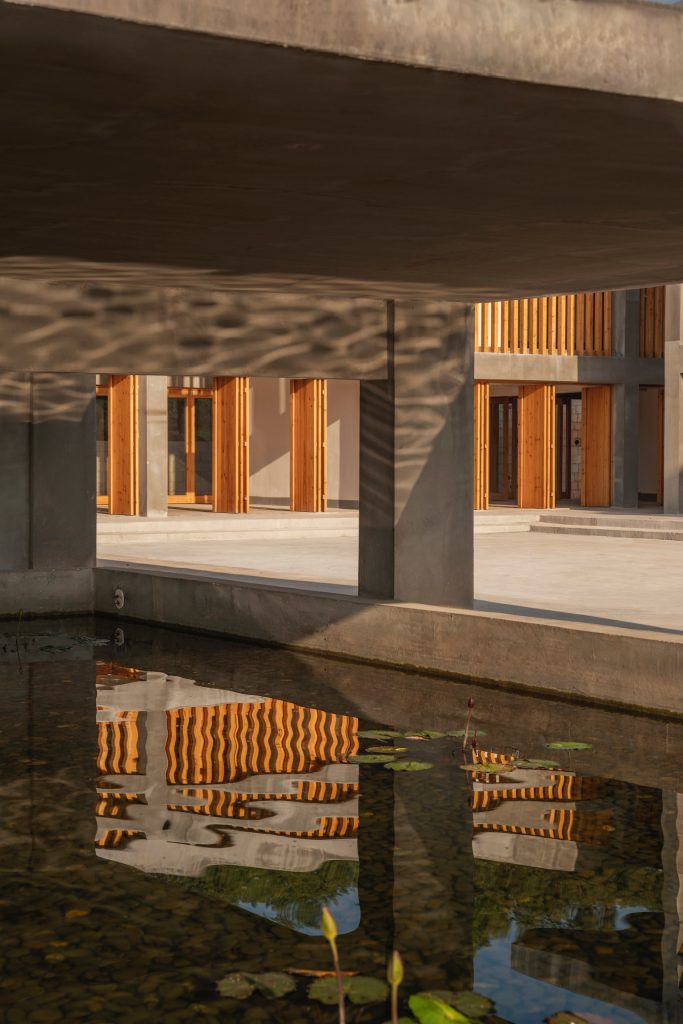
The project was realised in two phases. The initial phase focused on renovating the existing school, enhancing its structural integrity and introducing sustainable sanitation facilities. This was vital in addressing hygiene concerns that afflicted the school community. The second phase culminated in the construction of a new kindergarten and cultural centre, where rainwater is harvested from tiered roofs and channelled into a lotus pond and underground recycling system, ingeniously designed to harness the region’s heavy rainfall as a resource rather than a hindrance.
“Inspired by water’s cultural significance in Hakka heritage, the design of the Duling Educational and Cultural Centre features the lotus pond as both a water reservoir and a symbol of education. The spaces emphasise openness, flexibility, and harmony with nature, fostering learning, play, and community engagement, while allowing users to adapt the environment to their needs,” Lee explained.
As the project team reflects on their journey, they emphasise the philosophical foundations that underpin their work. “The true essence of what we’ve built lies in our commitment to humanity, compassion, and cultural sensitivity,” Lee noted. “Through our work, we have come to understand the profound impact of the built environment on fostering strong community bonds and transcending cultural and geographical barriers. These ethical dimensions have allowed us to create spaces that embody mutual respect and understanding, showcasing the resilience of the human spirit.”
This article was originally published in Keynotes@HKU, August 2025 issue
Other Research & Achievements Stories
Achievements and Milestones
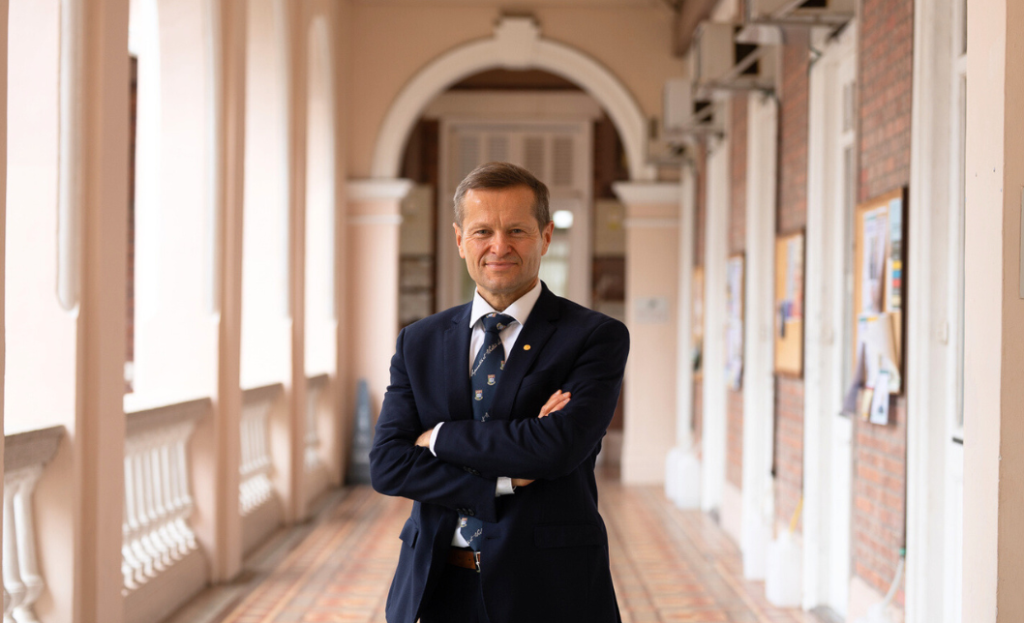
Professor Ferenc Krausz, Nobel Laureate in Physics, joined HKU in November 2025 as Professor, Chair of Laser Physics in the Department of Physics under the Faculty of Science. As a world-renowned authority in ultrafast laser science and quantum optics, Professor Krausz’s appointment will strengthen HKU’s capabilities in cutting-edge research and advance innovations in medical diagnostics worldwide. His joining aligns with HKU’s vision of pursuing academic excellence and advancing knowledge, and it is anticipated that he will make significant contributions to scientific development, benefitting both Hong Kong and the global community. In an exclusive interview, Professor Krausz shared his inspiring journey and insights into the future of scientific discovery.
Natural Science
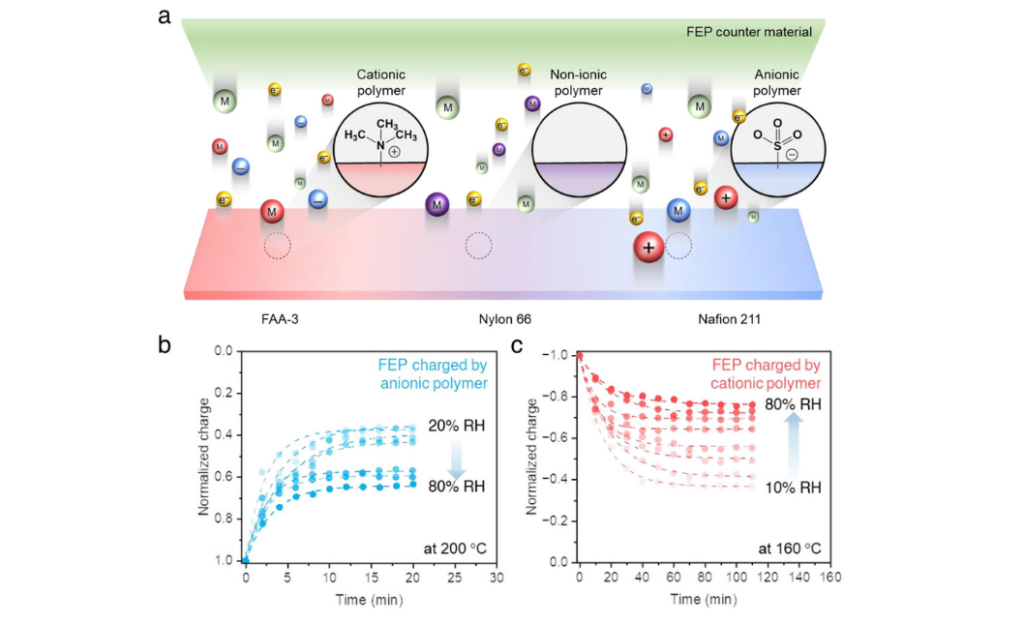
An engineering team at HKU has pioneered the discovery of a new mechanism of ion-driven charge transfer, which provides a deeper understanding of contact electrification phenomena and reveals that electrons and ions transfer simultaneously under changing humidity conditions. This insight will aid in developing new strategies to create materials that work reliably even in humid environments. The findings not only advance fundamental scientific understanding but also open up new possibilities for eco-friendly technologies such as printing, coating, environmental monitoring, and energy harvesting.
Health and Medical Sciences
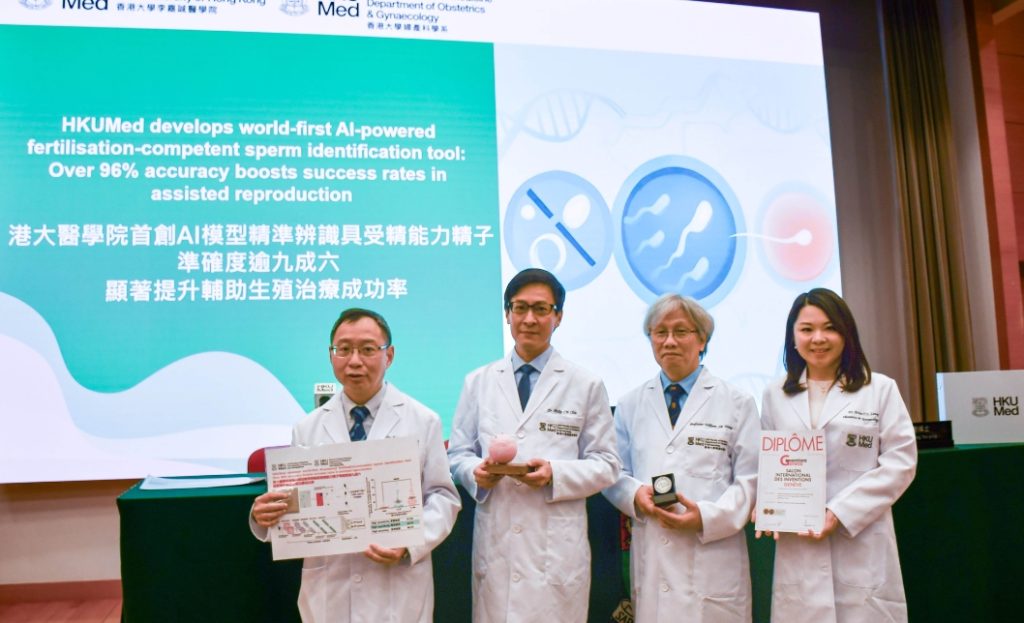
A research team from HKUMed has pioneered a model using artificial intelligence (AI) to identify sperm with fertilisation potential, achieving a clinical validation accuracy rate exceeding 96%. This AI model automatically selects high-quality sperm based on the morphological features of sperm binding to the egg's zona pellucida (ZP), outperforming traditional methods in terms of speed and reliability, reducing human error, and significantly enhancing the precision of male fertility assessment — ultimately increasing the success rates of assisted reproductive procedures.
Natural Science
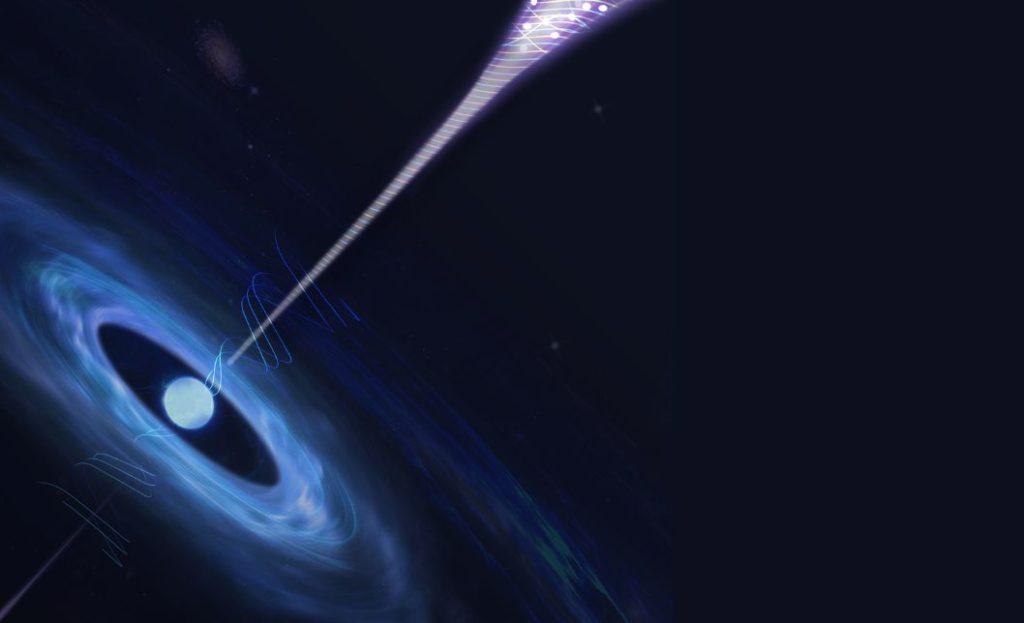
Researchers from the University of Hong Kong, Nanjing University, and the Chinese Academy of Sciences detected the first millisecond pulsation — a "heartbeat" — inside a gamma-ray burst (GRB 230307A), indicating the birth of a magnetar. Using data from GECAM and Fermi satellites, they identified a 909-Hz oscillation lasting 160 milliseconds, providing direct evidence that some GRBs are powered by newly formed, rapidly spinning neutron stars with strong magnetic fields, rather than black holes. This discovery confirms theoretical predictions and offers new insights into the engines driving cosmic explosions.


